Ionizable vapors and calibration-equivalent concentration.
A photoionization detector measures gases that can be ionized by its ultraviolet lamp. It is useful for VOC surveys, leak investigations and sampled instruments where rapid response to a range of vapors is needed. The detected mixture and lamp energy determine the response.
A common output is an isobutylene-equivalent concentration. A compound-specific estimate requires an appropriate response factor and knowledge of the sample composition. An unknown mixture generally produces a combined response that cannot identify each constituent.
Lamp energy limits detectable compounds. A 10.6 eV detector requires suitable ionization behavior; it cannot be assigned a response to every gas or every VOC. Chemical identification requires additional analytical information.
Ultraviolet ionization and electrode collection.
The lamp emits photons into the sample chamber. Suitable molecules form ions and electrons, and an electric field collects charge. The electronics relate the resulting current to calibrated concentration.
Response depends on lamp spectrum, compound behavior, chamber geometry and signal processing. Humidity, contamination and window condition can affect the assembled measurement. Lamp-energy options also have different lifetime and range specifications.
For a hypothetical response factor defined as actual compound concentration divided by indicated isobutylene-equivalent concentration, a factor of 2 applied to a 5 ppm indication gives 10 ppm. Manufacturers can define their factors or correction settings differently; retain the actual convention used by the instrument.
A PID component requires gas access, electronics and calibration. A portable detector adds a pump or sampling arrangement, controls, alarms and logging. The instrument's overall response includes its probe, filter and sample path.
PID terminology.
- Electron volt
- An energy unit used to specify the ultraviolet lamp.
- Ionization potential
- Energy associated with removing an electron from a molecule.
- Equivalent concentration
- Concentration expressed through the response to the calibration gas.
- Response factor
- A documented conversion relationship for a particular compound and lamp.
- Electrode stack
- The charge-collection assembly around the sensing chamber.
- Lamp contamination
- Deposits affecting ultraviolet transmission and instrument behavior.
Component detectors and portable instruments.
ION Science's Tiger XT product family extends its portable PID range; the cited brochure separates lamp options and upgrade-dependent functions. Alphasense's catalog distinguishes its legacy PID components from the newer PIDX series.
The development includes lamp-fault reporting, contamination treatment and more integrated electronics. Capabilities remain specific to the model and generation. A newer series-level feature should not be transferred to a legacy component without documentation.
PID manufacturer and format comparisons.
ION Science MiniPID provides a component for an instrument design, while Tiger XT supplies a portable measurement package. Alphasense offers a competing PID component family. Compare gas range, lamp energy, conditioning, signal interface and maintenance at the same integration level.
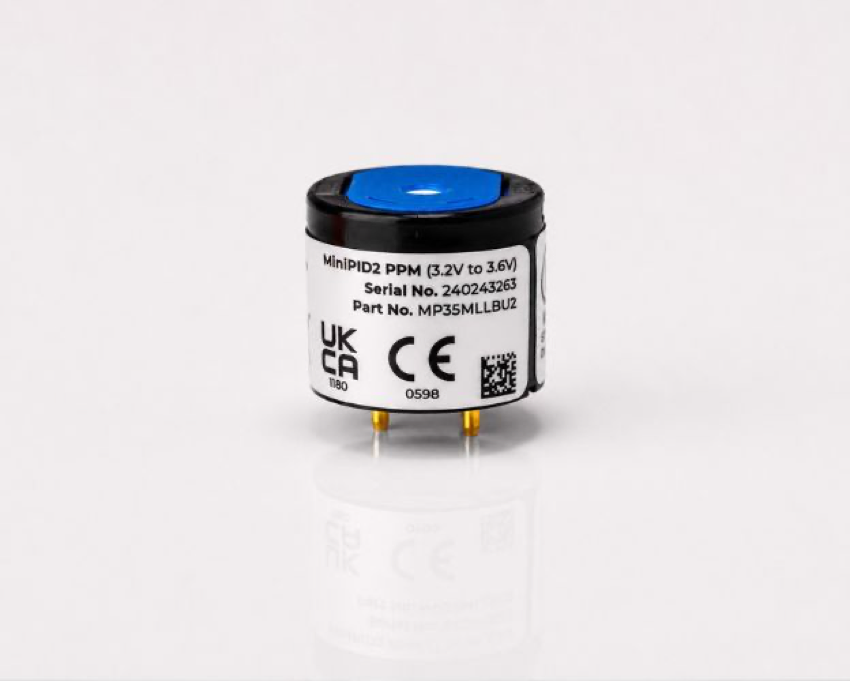
MiniPID 2 PPM
- Technology
- Photoionization detector component
- Measurement
- 10.6 eV lamp; isobutylene-referenced response
- Interface
- Analog signal; integration electronics required
- Consider for
- VOC surveys and instrument design
- Integration consideration
- Response factors vary by compound. Lamp and electrode maintenance required.
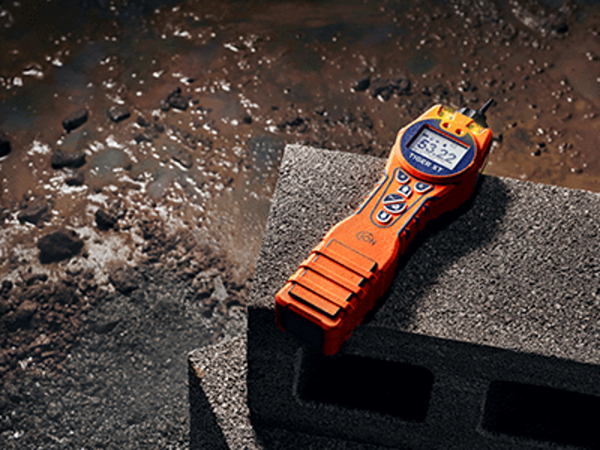
Tiger XT
- Technology
- Portable photoionization detector
- Measurement
- 10.6 eV and 11.7 eV lamp configurations have different ranges
- Interface
- Portable instrument and configured logging workflow
- Consider for
- VOC surveys and leak investigations
- Integration consideration
- PPB sensitivity and logging are upgrade-dependent. Response factors and lamp maintenance remain compound-specific.
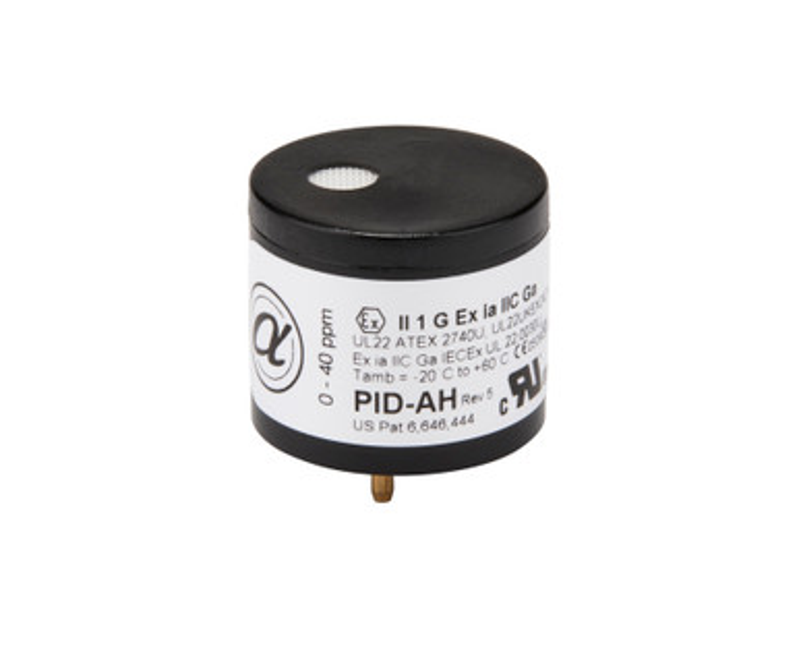
PID-AH5
- Technology
- 10.6 eV photoionization component
- Measurement
- 0–40 ppm linear range; stated 1 ppb minimum detection level
- Interface
- 0.040–2.85 V output; 3.2–5.5 V supply
- Consider for
- Compact VOC instrument designs
- Integration consideration
- Isobutylene-referenced gain. Socket connection required; lamp and electrode stack are replaceable.
Tiger XT's ppb sensitivity and logging functions depend on configuration or upgrades. A range covering many compounds still requires the correct response factors. Component and portable-instrument prices need allowance for their different included functions.
Calibration, sampling and lamp maintenance.
Use the instrument's prescribed zero and span procedure with the correct calibration gas. Record lamp energy, gas concentration, selected response factor and calibration date. Verify response after lamp or electrode service before using previously established conversions.
Inspect inlet filters and the sample path. Tubing and surfaces can delay delivery of some vapors; maintain pump flow and characterize response with the assembled arrangement. Keep high-concentration exposure and recovery identifiable in the record.
Follow the manufacturer cleaning procedure for the lamp window and electrode stack. Use compatible materials and avoid contamination introduced during service. Include spare lamps, filters, calibration gas, service time and configured software functions in ownership cost.
For platform acquisition, confirm the exact component signal or instrument export protocol. USB, logging and real-time industrial interfaces are separate functions. Store original indicated values together with any subsequent compound conversion so the analysis remains traceable.
Photoionization detection questions.
Can a PID identify the chemical causing a reading?
It reports response to ionizable compounds. Identification requires composition information or an additional analytical method.
Does changing the lamp preserve the same response factors?
Lamp energy affects compound response. Use factors and calibration procedures for the installed lamp and model.
Why should original equivalent readings be retained?
They preserve the instrument's calibration basis and allow later correction-factor choices to be reviewed.
Read the original documentation.
Specifications use the linked manufacturer documents and their stated revisions. Review the current datasheet and exact ordered variant before final specification. Comparisons use manufacturer specifications and technical documentation.