Make sense of
the invisible.
A field guide to the sensors that turn air, gases and our surroundings into measurable information.
Air, gas and
ambient measurements.
Sensing principles, manufacturer specifications and integration requirements.
Browse by measurement, sensing technology or monitoring system.
28 guides
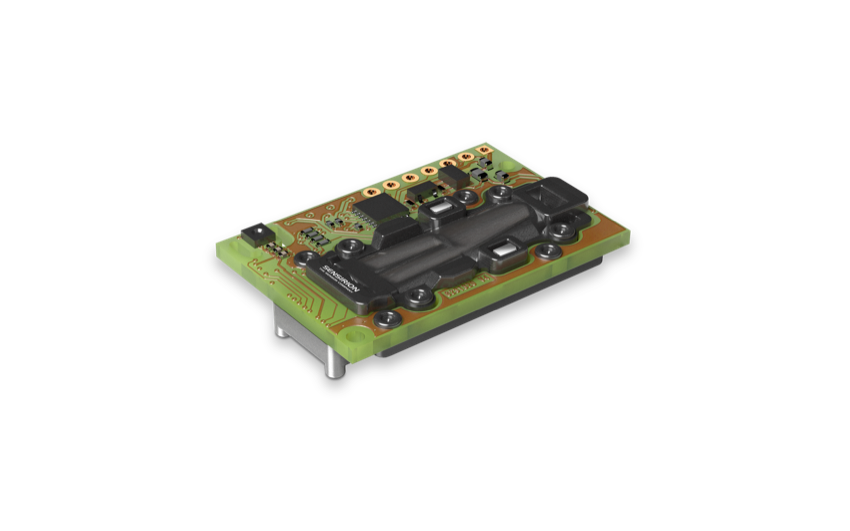
Carbon dioxide
Infrared sensing, ppm and ventilation.
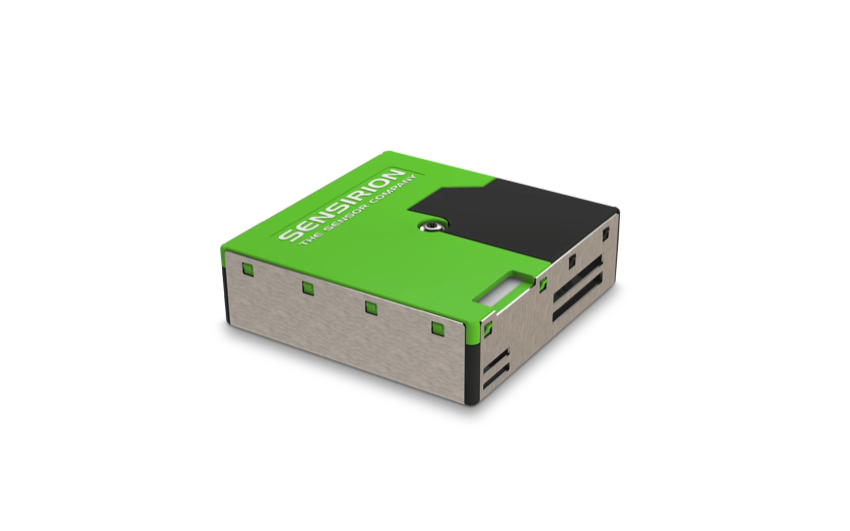
Particulate matter
Laser scattering, particle sizes and mass.
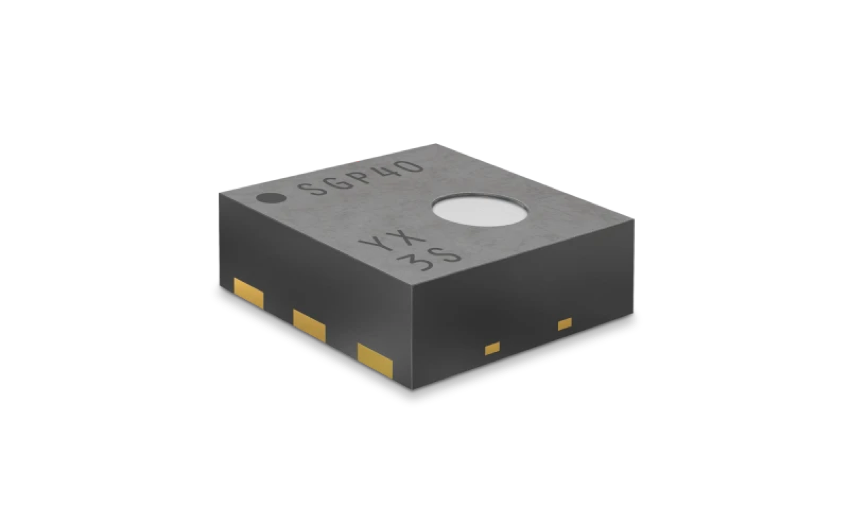
Volatile organics
Metal oxide, PID and gas indices.
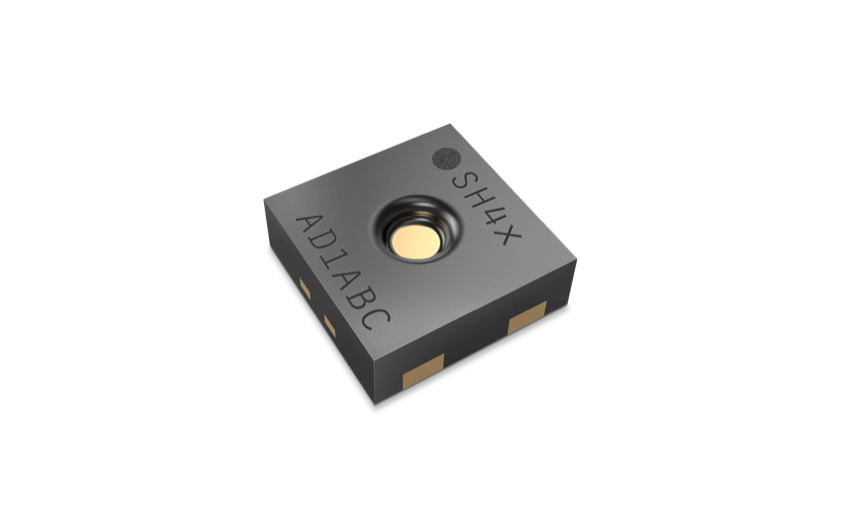
Temperature & humidity
Relative humidity, dew point and ambient temperature.
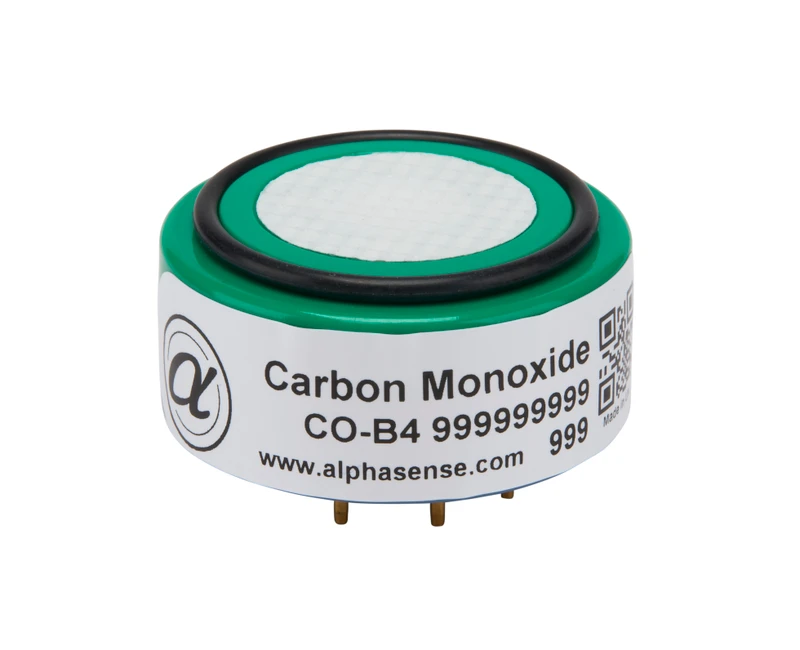
Carbon monoxide
Electrochemical cells, interference and calibration.
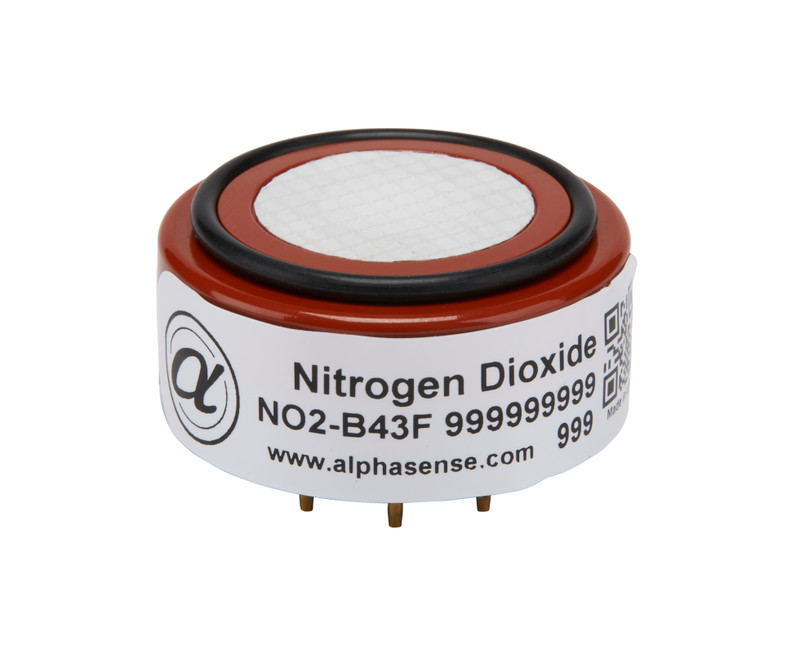
Nitrogen dioxide
Ozone filtering, baseline correction and sampling.
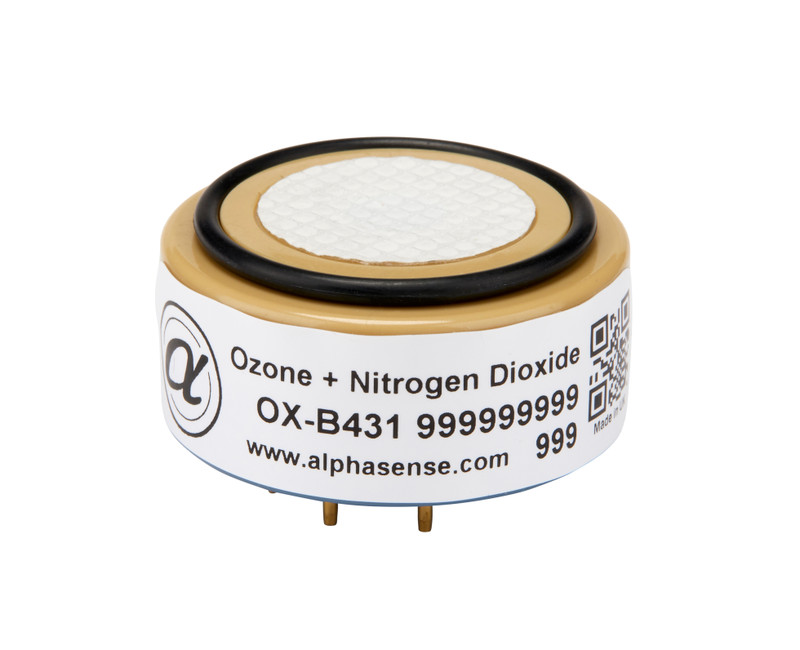
Ozone
UV absorption, oxidizing gases and sample integrity.
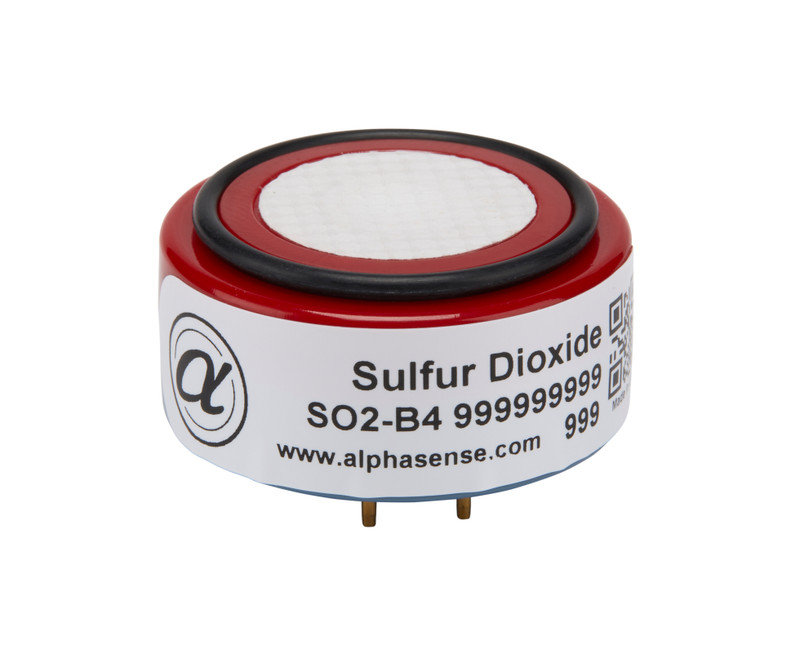
Sulfur dioxide
Electrochemistry, UV fluorescence and sample conditioning.
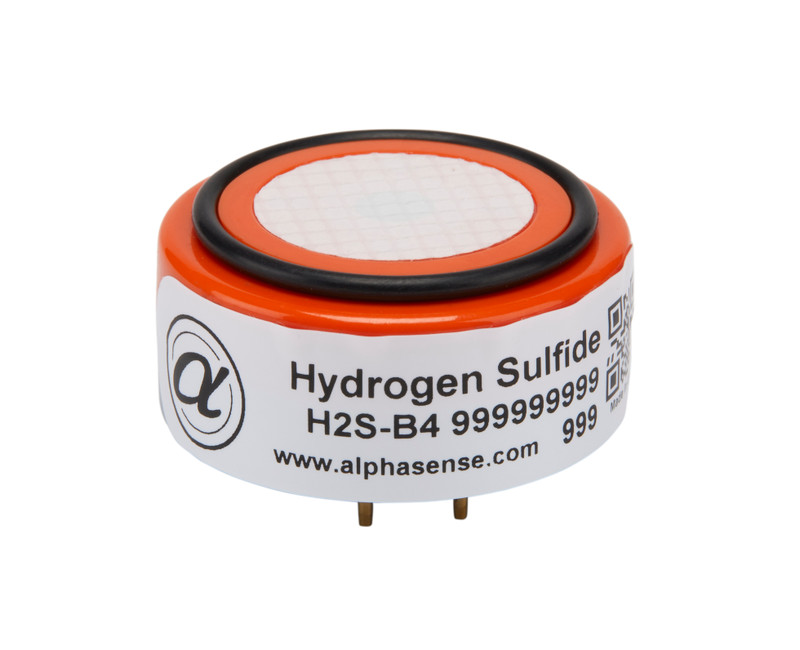
Hydrogen sulfide
Electrochemical cells, biogas sampling and interference.
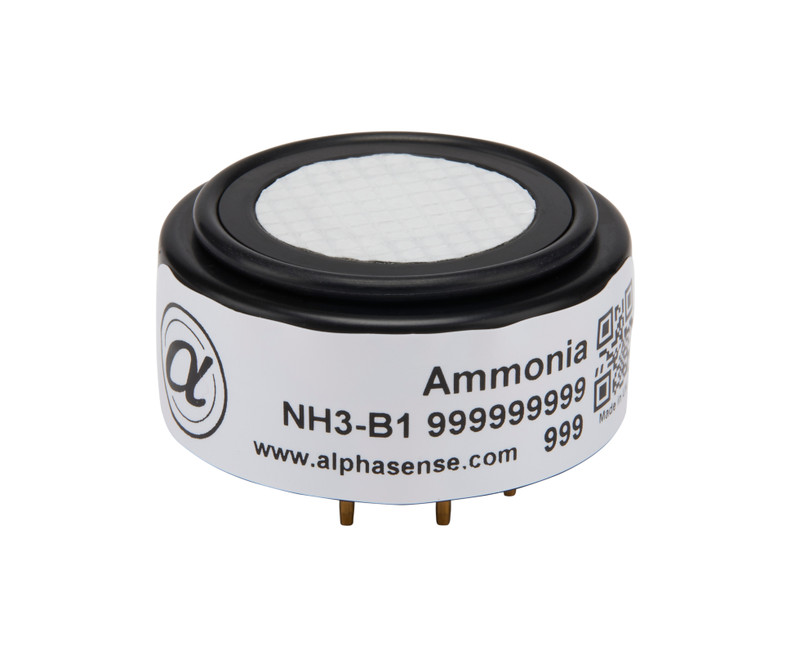
Ammonia
Biased cells, heated semiconductors and sample retention.
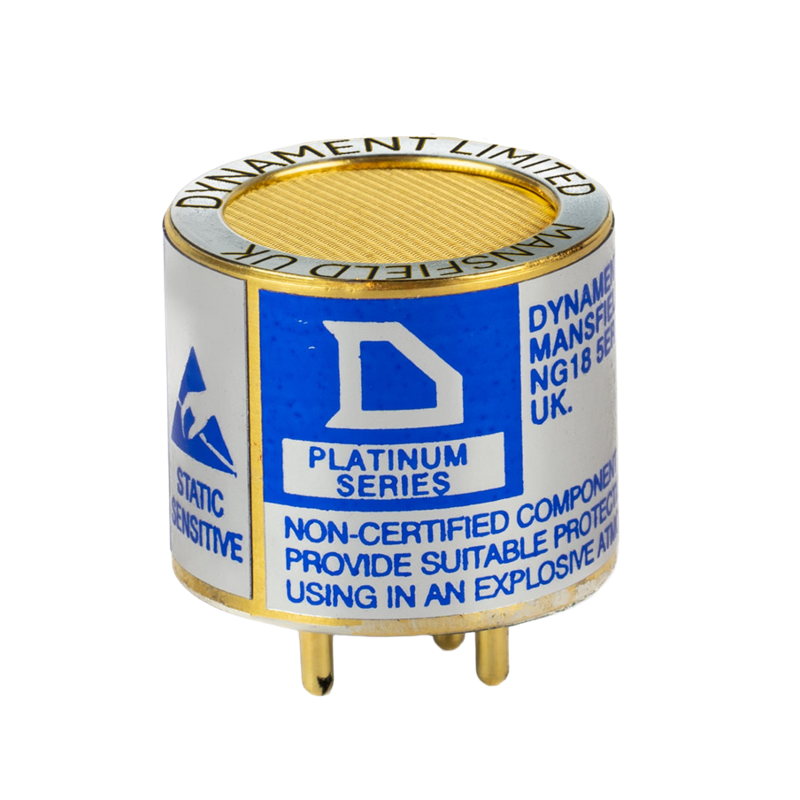
Methane
Infrared, catalytic and metal-oxide measurements.
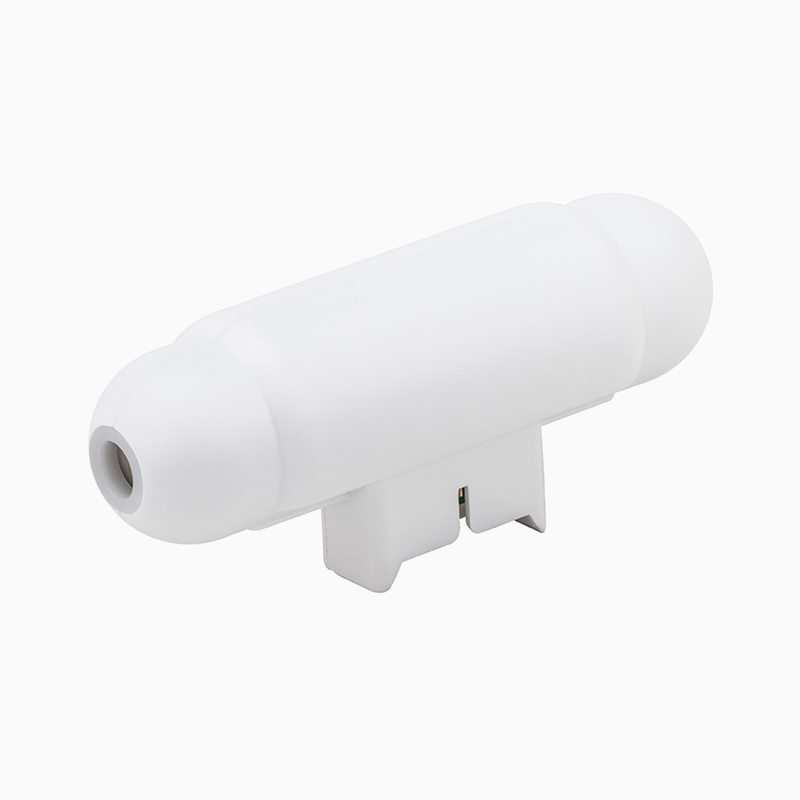
Hydrogen
Electrochemistry, semiconductor response and calibration.
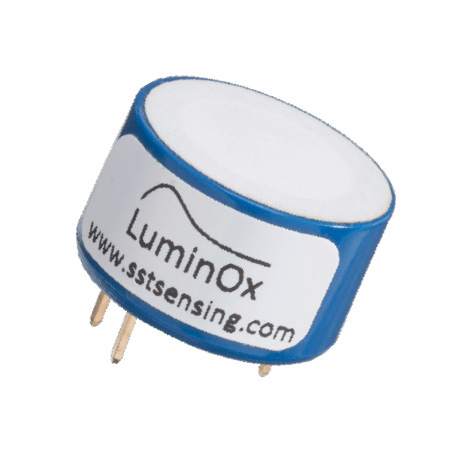
Oxygen
Galvanic cells, optical quenching and partial pressure.
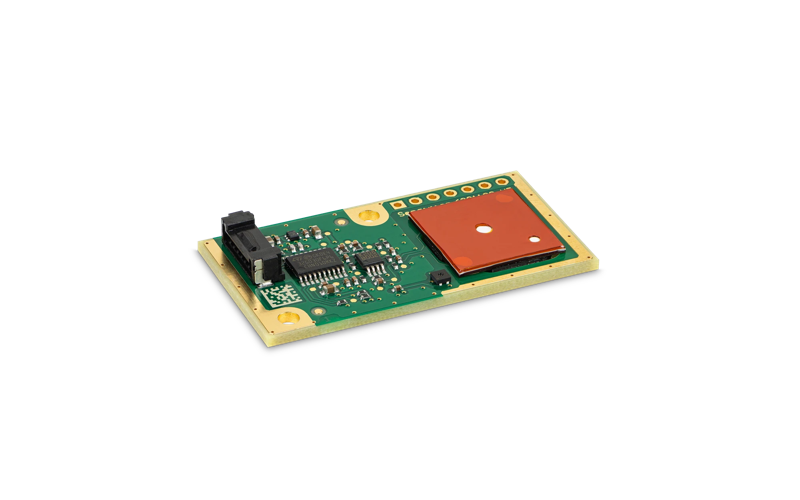
Formaldehyde
Selective cells, alcohol interference and low-level calibration.
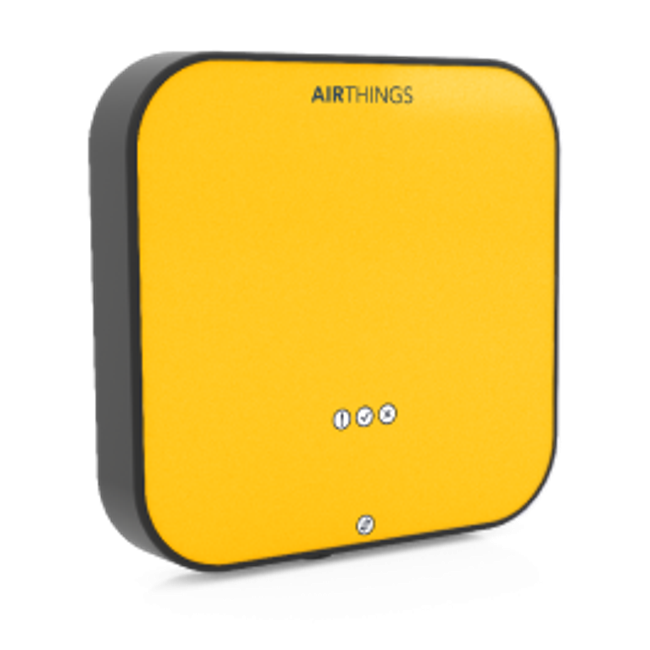
Radon
Alpha counting, accumulation time and sampling methods.
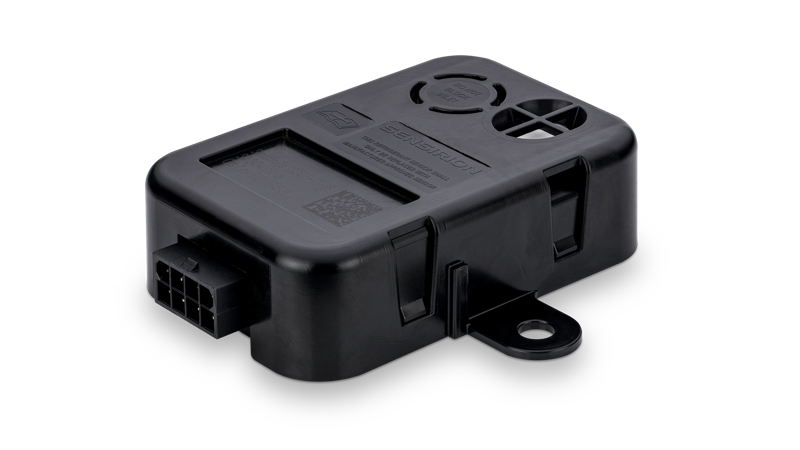
Refrigerant leak
Thermal conductivity, refrigerant calibration and relay integration.
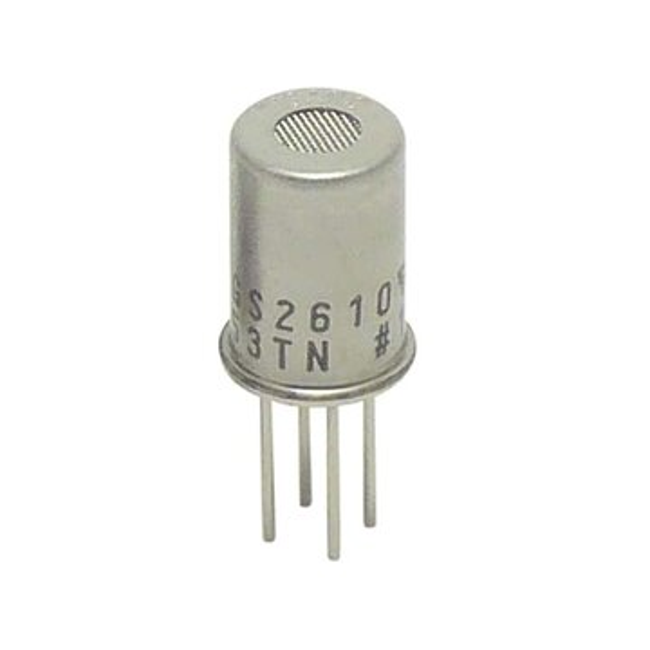
LPG and propane
Propane and butane response, infrared sensing and LEL units.
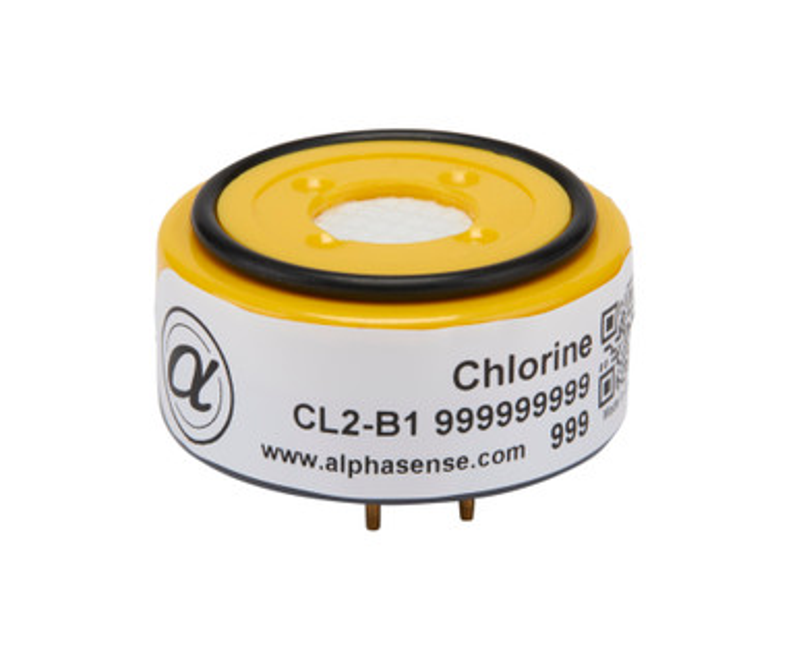
Chlorine gas
Signed electrochemical response, interference and sampling.
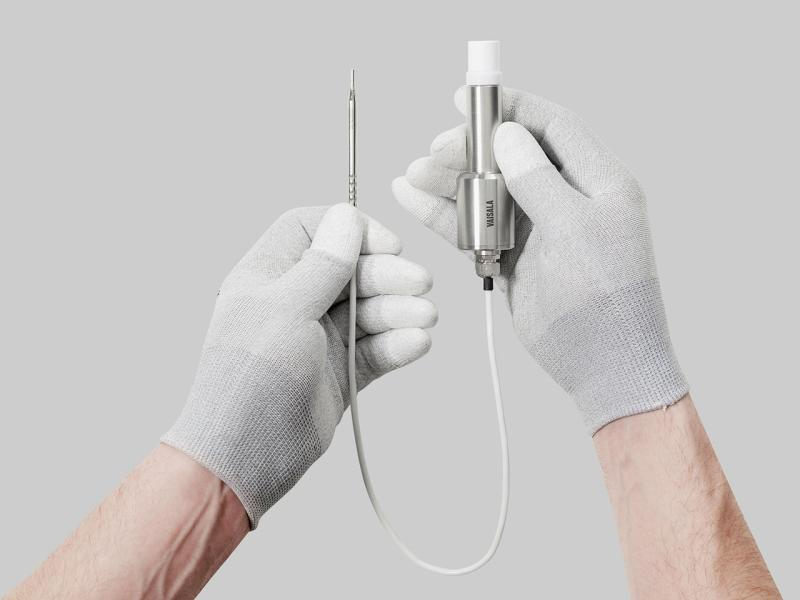
Hydrogen peroxide vapor
Vapor concentration, relative saturation and process monitoring.
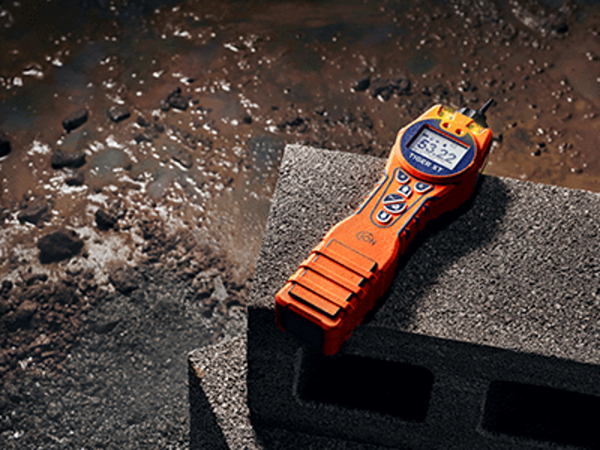
Photoionization detectors
Lamp energy, response factors and detector maintenance.
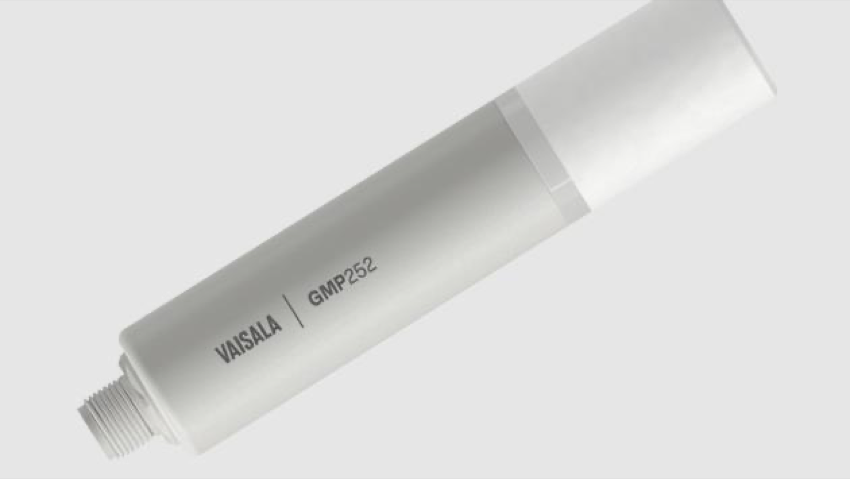
NDIR gas sensing
Absorption bands, optical paths and pressure compensation.
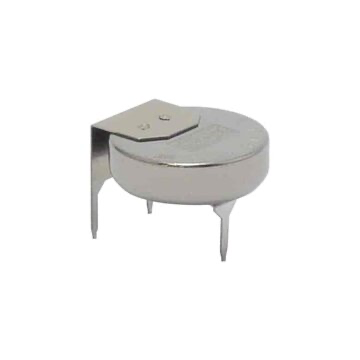
Electrochemical gas cells
Electrodes, operating bias, current measurement and aging.
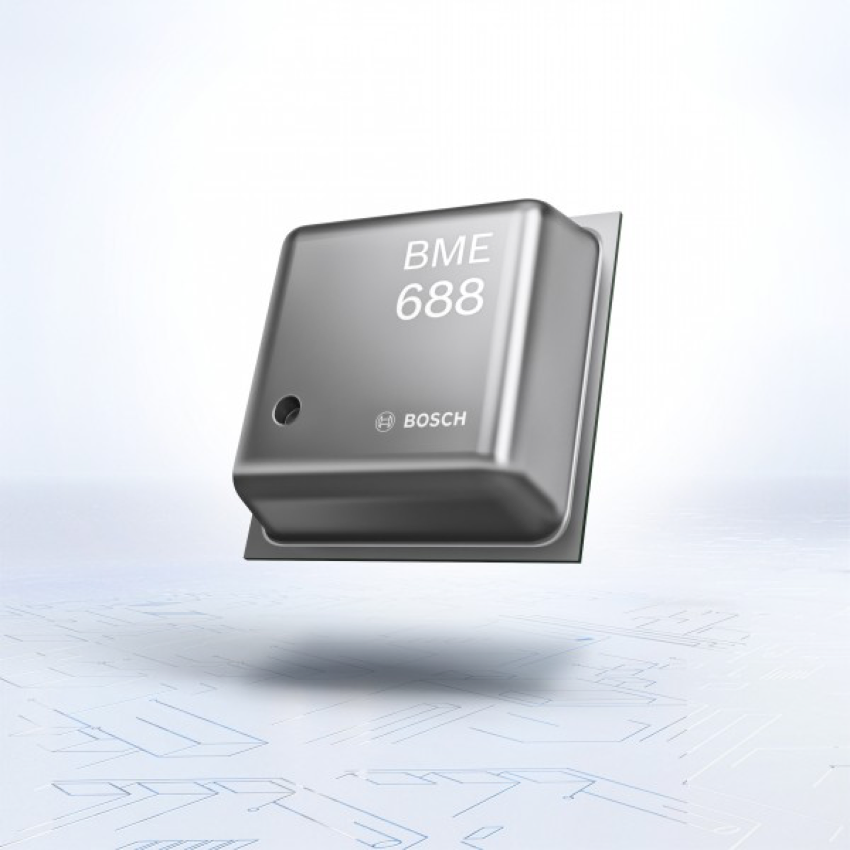
Metal-oxide gas sensing
Surface reactions, heater operation and gas-response models.
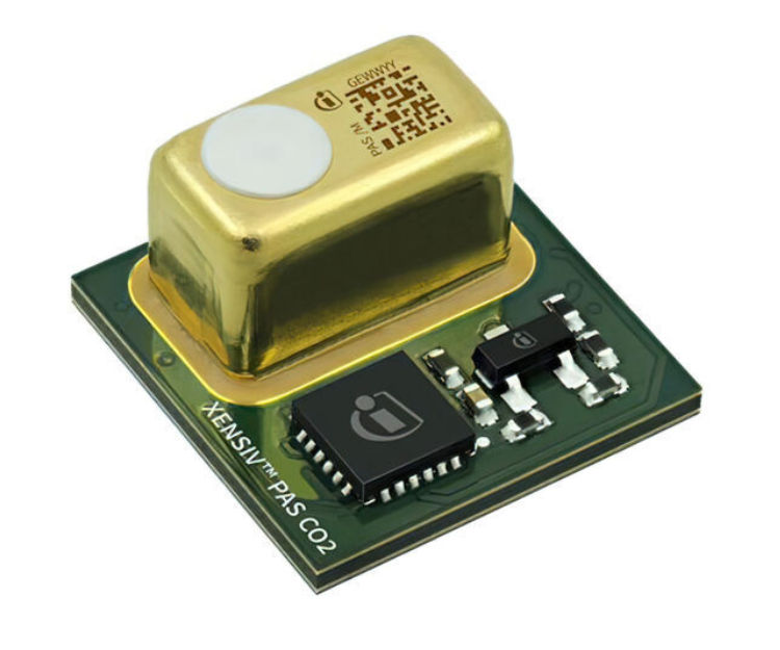
Photoacoustic gas sensing
Modulated absorption, acoustic detection and calibration.
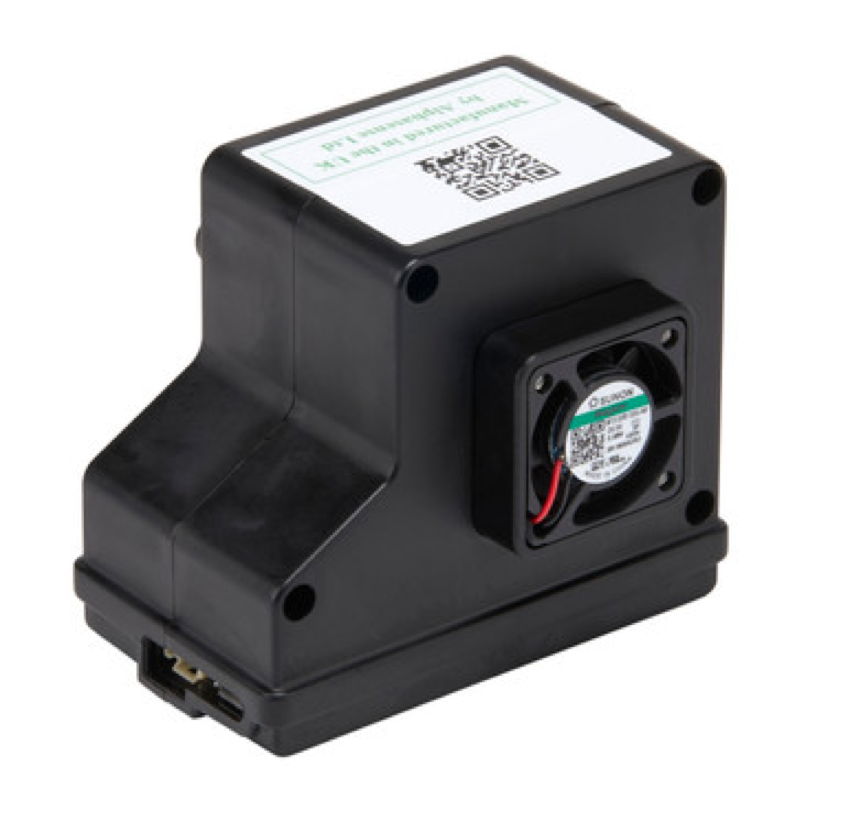
Optical particle counters
Scattering pulses, size bins, flow and inferred mass.
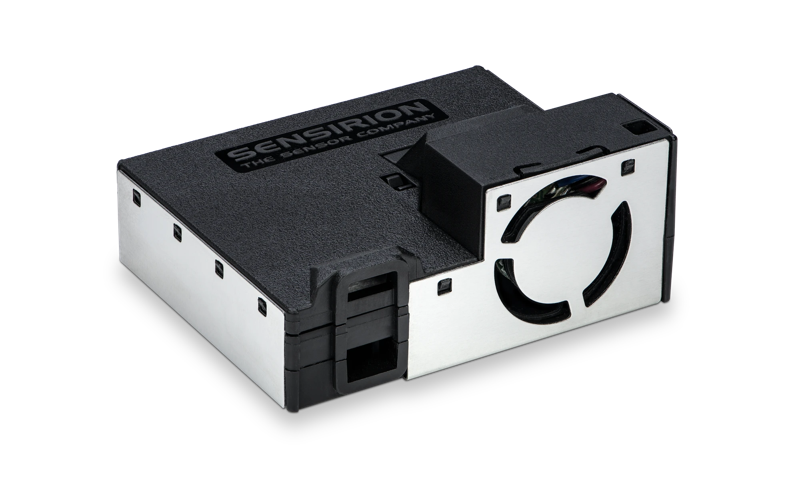
Air quality sensor modules
Channel definitions, combined modules and enclosure design.
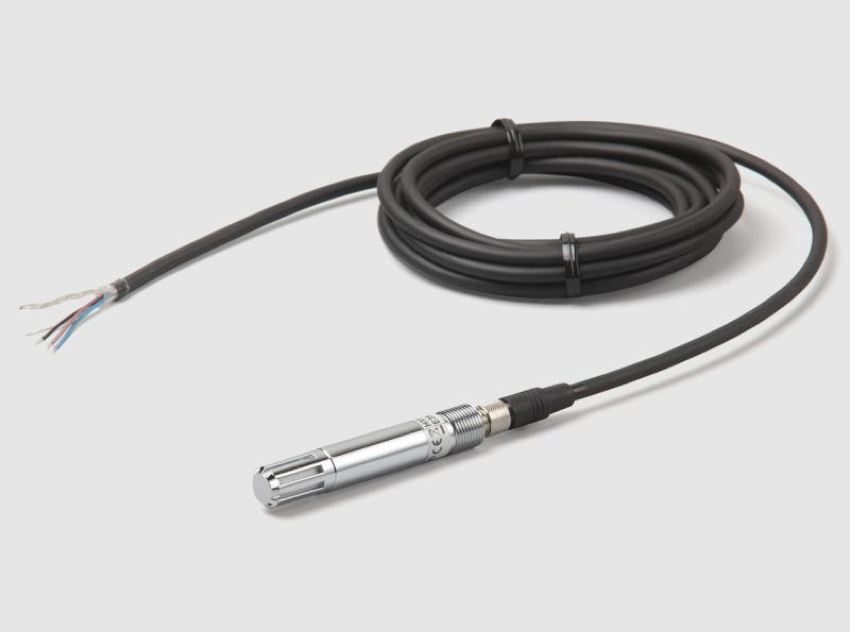
Indoor monitoring design
Ventilation, particle events, zoning and commissioning.
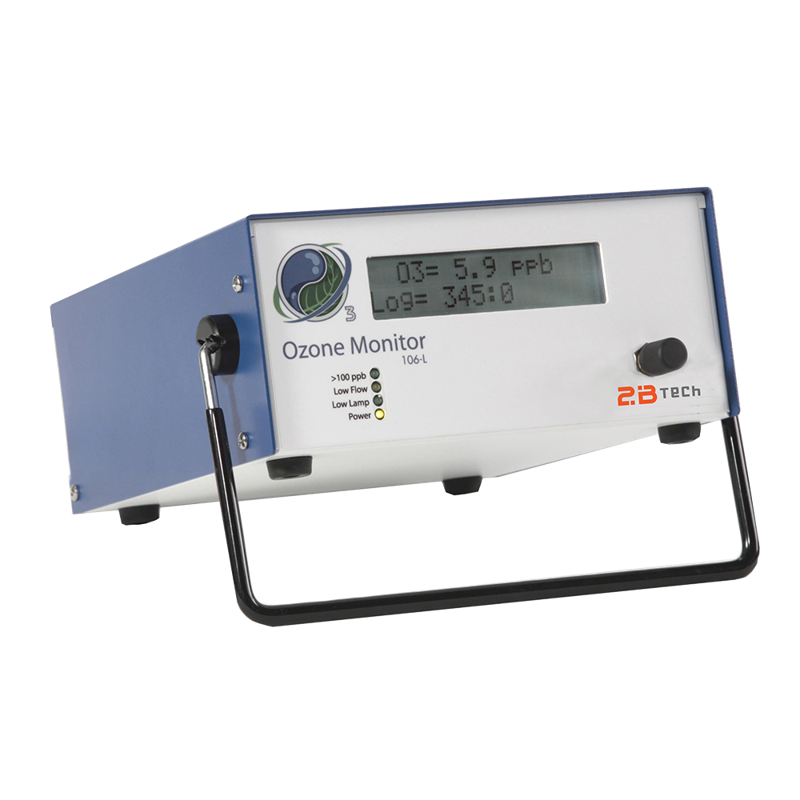
Outdoor air monitoring networks
Collocation, spatial coverage, weather exposure and data quality.
No guides match. Try a different term or choose All sensors.
Sensor system design.
Range and uncertainty
Specify the measured quantity, concentration range, required uncertainty and sampling interval. Include relevant environmental conditions.
Sampling and calibration
Account for sensor placement, airflow, interfering gases and calibration access. Enclosures and filters affect response and maintenance.
Power and data acquisition
Verify supply requirements, signal conditioning, communication protocol and fault reporting. Retain timestamps, units and calibration records.
About the sensor library.
Gassium explains air, gas and ambient measurements for engineers, building operators and anyone adopting sensors. Our guides connect sensing theory with manufacturer documentation and installation decisions.
Manufacturer comparisons cover documented specifications, interfaces and operating conditions. Sources are linked in each guide. We distinguish components from complete probes and preserve model-specific qualifications.
Measurement specifications.
Accuracy, resolution and repeatability describe different properties. Check the stated range, environmental conditions and calibration method before comparing headline numbers.
The US EPA Air Sensor Guidebook offers a foundation for planning a monitoring study and evaluating sensor data.